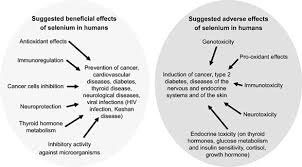
Selenium is an essential trace mineral that plays a vital role in maintaining human health. Although the body requires only small amounts of selenium, it contributes significantly to immune function, thyroid hormone metabolism, antioxidant defense systems, and overall cellular health. Selenium is naturally found in various foods, including Brazil nuts, seafood, meat, eggs, and grains. When consumed in appropriate amounts, it supports numerous biological processes that help the body function properly.
However, like many nutrients, selenium can become harmful when consumed in excessive quantities. This condition, known as selenium toxicity or selenosis, occurs when selenium levels in the body rise beyond safe limits. While selenium deficiency can cause health problems, excessive intake may also lead to serious medical complications affecting multiple organs and systems.
As dietary supplements become increasingly popular and selenium-fortified products become more widely available, understanding selenium toxicity has become more important than ever. This article explores the causes, symptoms, diagnosis, treatment, prevention, and long-term effects of selenium toxicity while highlighting the importance of maintaining balanced selenium intake.
What Is Selenium Toxicity?
Selenium toxicity is a medical condition that occurs when an individual consumes excessive amounts of selenium over a short or extended period. The body requires selenium in very small quantities, and exceeding recommended intake levels can result in the accumulation of selenium within tissues.
Health authorities generally recommend selenium intake in microgram quantities rather than milligrams. For most adults, the recommended daily intake is approximately 55 micrograms per day, while the tolerable upper intake level is generally set at 400 micrograms per day. Consistently consuming amounts above this limit increases the risk of toxicity.
Selenium toxicity can develop through excessive supplement use, contaminated food or water sources, occupational exposure, or accidental overconsumption of selenium-rich foods.
Why Selenium Is Important for the Body
Before discussing toxicity, it is important to understand selenium’s beneficial functions. Selenium is a component of several enzymes and proteins known as selenoproteins. These compounds help regulate critical biological activities.
One of selenium’s most important roles involves antioxidant protection. Selenium-containing enzymes help neutralize harmful free radicals that can damage cells and contribute to aging and disease.
The mineral also supports thyroid health by assisting in the production and regulation of thyroid hormones. Additionally, selenium contributes to immune function, reproductive health, and DNA synthesis.
Because selenium is essential, maintaining the correct balance is crucial. Both deficiency and excess can negatively affect health.
Causes of Selenium Toxicity
Several factors can contribute to excessive selenium exposure.
Overuse of Dietary Supplements
One of the most common causes of selenium toxicity is excessive supplementation. Some individuals mistakenly believe that higher doses provide greater health benefits, leading them to consume large quantities of selenium supplements.
Taking multiple supplements containing selenium can further increase the risk of accidental overdose.
Excessive Consumption of Brazil Nuts
Brazil nuts are among the richest natural sources of selenium. While they can be part of a healthy diet, consuming large amounts regularly may result in selenium intake exceeding recommended limits.
Just a few Brazil nuts can provide a substantial portion of the daily selenium requirement.
Environmental Exposure
Certain geographic regions contain naturally high selenium concentrations in soil and groundwater. Crops grown in these areas may accumulate elevated selenium levels, increasing dietary exposure.
Industrial and Occupational Exposure
Workers involved in mining, metal refining, electronics manufacturing, and chemical industries may encounter selenium-containing compounds through inhalation or skin contact.
Proper workplace safety measures are essential to reduce exposure risks.
Symptoms of Selenium Toxicity
The symptoms of selenium toxicity can vary depending on the amount consumed and the duration of exposure.
Early Symptoms
Initial signs of selenium toxicity may include nausea, vomiting, diarrhea, abdominal discomfort, and fatigue. These symptoms are often mistaken for other digestive or viral illnesses.
Some individuals may also notice a metallic taste in the mouth or unusual breath odor that resembles garlic.
Hair and Nail Changes
One of the hallmark signs of chronic selenium toxicity is damage to hair and nails. Excessive selenium can cause hair thinning, hair loss, brittle nails, and nail discoloration.
These symptoms often serve as important clues for healthcare providers when evaluating potential selenium overexposure.
Skin and Nervous System Effects
Long-term selenium toxicity may affect the skin and nervous system. Symptoms can include skin rashes, irritation, numbness, tingling sensations, and nerve abnormalities.
Some individuals report increased sensitivity, weakness, or difficulty with coordination.
Severe Cases
In extreme situations, selenium toxicity can lead to significant neurological complications, respiratory distress, kidney dysfunction, and cardiovascular problems. Severe poisoning requires immediate medical attention.
Although rare, very high selenium exposure can be life-threatening.
Acute vs. Chronic Selenium Toxicity
Selenium toxicity can occur in two primary forms.
Acute Toxicity
Acute toxicity results from consuming a very large amount of selenium within a short period. This may occur through supplement overdoses, accidental ingestion, or industrial accidents.
Symptoms often appear rapidly and may include severe gastrointestinal distress, dizziness, breathing difficulties, and neurological abnormalities.
Chronic Toxicity
Chronic toxicity develops gradually over time due to continuous exposure to elevated selenium levels. This form is more commonly associated with excessive supplementation or long-term dietary intake.
Hair loss, nail damage, fatigue, and neurological symptoms are frequently observed in chronic cases.
How Selenium Toxicity Is Diagnosed
Diagnosing selenium toxicity requires a combination of medical history, symptom evaluation, and laboratory testing.
Healthcare providers typically ask about dietary habits, supplement use, occupational exposure, and environmental factors. Blood and urine tests can help measure selenium concentrations and determine whether levels exceed normal ranges.
Additional examinations may be performed to assess organ function and identify complications associated with prolonged selenium exposure.
Because symptoms may resemble those of other conditions, accurate diagnosis is important for effective treatment.
Treatment of Selenium Toxicity
There is no specific antidote for selenium toxicity. Treatment primarily focuses on eliminating the source of exposure and managing symptoms.
The first step involves discontinuing selenium supplements and reducing dietary intake of selenium-rich foods if necessary. Most mild cases improve gradually once exposure stops.
Supportive care may include hydration, symptom management, and monitoring of organ function. Severe cases may require hospitalization and specialized medical treatment.
Recovery time varies depending on the severity and duration of exposure. Some symptoms resolve quickly, while hair and nail changes may take several months to improve.
Long-Term Health Effects
Prolonged selenium toxicity can have lasting consequences if not addressed promptly. Chronic exposure may contribute to nerve damage, impaired kidney function, and persistent hair and nail abnormalities.
In some cases, neurological symptoms may continue even after selenium levels return to normal. Early recognition and intervention significantly improve outcomes.
Fortunately, most individuals recover well when excessive exposure is identified and corrected before severe complications develop.
Preventing Selenium Toxicity
Prevention is the most effective approach to managing selenium-related health risks.
Individuals should follow recommended dietary guidelines and avoid taking high-dose selenium supplements unless advised by a healthcare professional. Reading supplement labels carefully is important because selenium is often included in multivitamins and specialty formulations.
Maintaining a balanced diet helps ensure adequate selenium intake without exceeding safe limits. People who consume Brazil nuts regularly should be mindful of portion sizes due to their exceptionally high selenium content.
Workers in industries involving selenium should follow established safety protocols and use appropriate protective equipment.
Selenium Toxicity in Animals and the Environment
Selenium toxicity is not limited to humans. Livestock and wildlife can also be affected when exposed to excessive selenium in soil, water, or vegetation.
Agricultural regions with naturally high selenium concentrations may experience animal health issues, including reproductive problems, growth abnormalities, and reduced productivity.
Environmental monitoring helps identify areas where selenium levels may pose risks to ecosystems and food supplies.
The Importance of Balanced Nutrition
Selenium serves as an excellent example of how nutrients must be consumed in appropriate amounts. Too little selenium can contribute to deficiency-related disorders, while excessive intake can cause toxicity.
Balanced nutrition focuses on obtaining essential nutrients through a varied diet rather than relying heavily on supplements. When supplementation is necessary, healthcare guidance helps ensure safe and effective use.
Understanding nutrient balance is a key component of long-term health and disease prevention.
Conclusion
Selenium toxicity is a preventable condition that occurs when selenium intake exceeds the body’s requirements. Although selenium is essential for immune function, thyroid health, antioxidant protection, and overall well-being, excessive consumption can lead to serious health problems.
Common causes of selenium toxicity include overuse of dietary supplements, excessive consumption of selenium-rich foods such as Brazil nuts, environmental exposure, and occupational contact with selenium compounds. Symptoms may range from digestive discomfort and fatigue to hair loss, nail damage, neurological issues, and severe organ complications.
By following recommended intake guidelines, using supplements responsibly, and maintaining a balanced diet, individuals can enjoy the benefits of selenium while minimizing the risk of toxicity. Awareness, moderation, and informed healthcare decisions remain the most effective tools for protecting long-term health.