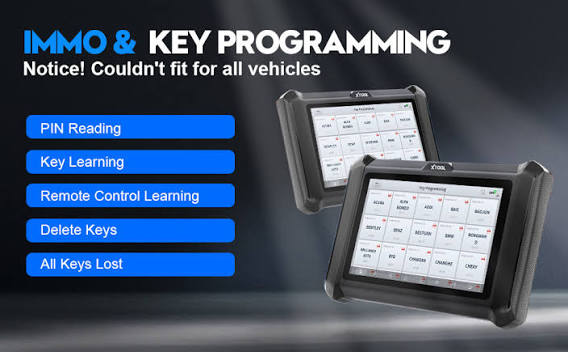
Modern vehicles have evolved far beyond traditional metal keys. Today, most cars, trucks, and SUVs come equipped with electronic key fobs that allow drivers to lock and unlock doors, start the engine remotely, open the trunk, activate security systems, and even start the vehicle without inserting a physical key. These advanced devices provide convenience, improved security, and a better driving experience. However, when purchasing a replacement key fob or adding an extra remote, key fob programming becomes an essential part of the process.
Key fob programming is the procedure of synchronizing an electronic key fob with a vehicle’s onboard computer so that both devices can communicate securely. Without proper programming, the vehicle will not recognize the key fob, meaning features such as remote locking, push-button start, or keyless entry may not function correctly. Depending on the vehicle manufacturer, programming may be simple enough for owners to perform themselves or require specialized diagnostic equipment used by dealerships and automotive locksmiths.
As automotive technology continues advancing, key fobs now include encrypted security systems, rolling codes, immobilizers, and smart key technology designed to prevent theft. Understanding how these systems work can help vehicle owners make informed decisions when replacing, programming, or troubleshooting their key fobs.
This comprehensive guide explains everything you need to know about key fob programming, including how it works, programming methods, costs, common problems, security features, and maintenance tips.
What Is Key Fob Programming?
Key fob programming is the process of pairing an electronic remote with a vehicle’s computer system.
During programming, the vehicle stores the unique identification code transmitted by the key fob. Once paired successfully, the vehicle recognizes authorized commands from that specific remote.
Programming may be required when:
- Purchasing a replacement key fob
- Buying an additional spare remote
- Replacing a lost key
- Installing a new smart key
- Replacing the vehicle’s security module
- Resetting electronic security systems
Without successful programming, the remote functions may remain disabled.
How Does a Key Fob Work?
A key fob is a small electronic transmitter that communicates wirelessly with a vehicle.
It typically contains:
- A microchip
- A radio frequency transmitter
- Battery
- Control buttons
- Security encryption
When a button is pressed, the key fob sends an encrypted signal to the vehicle’s receiver.
If the identification code matches the vehicle’s stored information, the requested action is performed, such as unlocking the doors or starting the engine.
Modern vehicles use encrypted rolling codes that change after each use, making unauthorized copying significantly more difficult.
Types of Key Fobs
Automotive technology has introduced several types of key fobs.
Traditional Remote Key Fobs
These combine a physical key with remote locking and unlocking functions.
Flip Keys
Flip keys include a retractable metal key blade that folds into the remote housing.
Smart Keys
Smart keys allow drivers to unlock and start vehicles without removing the key from their pocket or bag.
Push-Button Start Keys
These communicate continuously with the vehicle while nearby, enabling keyless ignition.
Each type may require different programming procedures.
When Is Key Fob Programming Needed?
Programming becomes necessary in several situations.
Lost or Stolen Keys
Replacing a lost key often requires deleting old key codes and programming a new one.
Additional Spare Keys
Many owners purchase extra key fobs for family members.
Battery Replacement
Normally, replacing the battery does not require programming, although some vehicles may need re-synchronization.
Damaged Key Fobs
A replacement remote must usually be programmed before use.
Vehicle Security Repairs
Replacing immobilizer components or electronic control modules often requires reprogramming all authorized keys.
Methods of Key Fob Programming
Programming methods vary between vehicle manufacturers.
Owner Programming
Some older vehicles allow programming without special tools.
Typical steps may involve:
- Turning the ignition on and off
- Pressing certain buttons
- Following specific timing sequences
This process varies by vehicle model.
Diagnostic Programming
Many newer vehicles require professional diagnostic equipment.
Technicians connect specialized scan tools to the vehicle’s onboard diagnostic (OBD) port.
The software then registers the new key with the vehicle’s security system.
Dealer Programming
Vehicle dealerships have manufacturer-approved software capable of programming advanced smart keys.
Dealer programming is often required for newer luxury vehicles.
Automotive Locksmith Programming
Professional locksmiths often provide programming services using advanced diagnostic tools.
In many cases, locksmith services are more convenient and less expensive than dealership visits.
Can You Program a Key Fob Yourself?
The answer depends on your vehicle.
Some older vehicles allow owners to perform programming using instructions found in the owner’s manual.
However, many modern vehicles include sophisticated anti-theft systems requiring:
- Security authorization
- Manufacturer software
- Professional diagnostic equipment
Attempting unsupported programming methods may not work and could waste time or money.
Always check your vehicle’s documentation before attempting DIY programming.
Common Tools Used for Programming
Professional technicians commonly use:
- OBD programming devices
- Automotive diagnostic scanners
- Manufacturer programming software
- Key cloning equipment
- Immobilizer programming tools
These tools communicate directly with the vehicle’s electronic control units.
Factors Affecting Programming Costs
The cost of key fob programming varies depending on several factors.
Vehicle Make and Model
Luxury vehicles typically require more advanced programming.
Smart Key Technology
Push-button start systems often cost more to program than traditional remotes.
Dealer vs Locksmith
Dealerships generally charge higher service fees than independent automotive locksmiths.
Replacement Parts
Some key fobs include expensive electronic components that increase total replacement costs.
Obtaining multiple quotes may help reduce expenses.
Common Key Fob Problems
Even properly programmed key fobs occasionally develop issues.
Dead Battery
Weak batteries are the most common cause of malfunction.
Damaged Electronics
Water damage or impact can destroy internal circuits.
Signal Interference
Nearby electronic devices may occasionally interfere with communication.
Worn Buttons
Frequent use may wear out button contacts.
Programming Loss
Rarely, electronic modules may lose synchronization after repairs or battery replacement.
Proper diagnosis helps identify the true cause.
Security Features of Modern Key Fobs
Modern vehicles include multiple security technologies.
Rolling Codes
The transmitted code changes after every use.
Immobilizer Systems
The engine starts only after recognizing an authorized key.
Encryption
Advanced encryption protects against unauthorized copying.
Passive Entry
Vehicles automatically detect authorized smart keys nearby.
These features significantly reduce vehicle theft.
Maintaining Your Key Fob
Proper maintenance extends the lifespan of your remote.
Helpful tips include:
- Replace batteries promptly.
- Avoid dropping the remote.
- Protect it from water exposure.
- Keep it away from strong magnets.
- Store spare keys safely.
- Clean buttons periodically.
- Use protective key fob covers.
Simple maintenance reduces unexpected failures.
Choosing Between a Dealership and an Automotive Locksmith
Both options offer advantages.
Dealership Benefits
- Manufacturer-approved equipment
- Factory-trained technicians
- Access to original replacement keys
Automotive Locksmith Benefits
- Often lower prices
- Mobile service availability
- Faster appointments
- Convenient emergency assistance
The best choice depends on your vehicle and circumstances.
Future of Key Fob Technology
Automotive security continues evolving rapidly.
Emerging innovations include:
Smartphone Digital Keys
Many manufacturers now allow smartphones to function as vehicle keys.
Biometric Authentication
Fingerprint and facial recognition may replace traditional remotes in future vehicles.
Ultra-Wideband Technology
Improves location accuracy and reduces relay attacks.
Cloud-Based Vehicle Access
Some vehicles allow remote access through mobile applications.
These technologies continue improving convenience while enhancing security.
Tips for Successful Key Fob Programming
If you need a new key fob:
- Purchase a compatible key designed for your vehicle.
- Read the owner’s manual before attempting DIY programming.
- Replace the battery if the remote responds inconsistently.
- Use a reputable locksmith or dealership for advanced systems.
- Test every button after programming.
- Keep at least one spare programmed key.
Preparation can save both time and money.
Conclusion
Key fob programming is an essential process that ensures your vehicle recognizes and securely communicates with its electronic remote. Whether you are replacing a lost key, adding a spare, or upgrading to a smart key, proper programming is necessary for functions such as remote locking, keyless entry, trunk access, and push-button ignition to work correctly.
While some older vehicles support do-it-yourself programming, many modern cars require specialized diagnostic equipment because of advanced security technologies like rolling codes and immobilizer systems. Choosing between a dealership and an experienced automotive locksmith depends on your vehicle, budget, and convenience. Understanding how key fobs work, maintaining them properly, and following the correct programming procedures can help you avoid unnecessary expenses and ensure reliable vehicle access for years to come.
As automotive technology continues to advance with smartphone digital keys, biometric authentication, and smarter security systems, key fob programming will remain an important aspect of modern vehicle ownership. Staying informed about these technologies allows drivers to make better decisions when replacing or programming their vehicle keys.