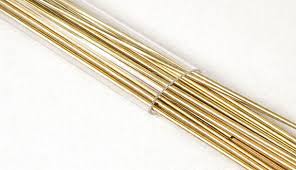
A brazing rod is one of the most important materials used in the metal joining industry. Whether you are working in automotive repair, plumbing, HVAC systems, manufacturing, or metal fabrication, a brazing rod plays a crucial role in creating strong and durable joints between metal components. Unlike traditional welding, brazing uses a filler metal that melts at a lower temperature than the base metals being joined. This process allows metals to be connected without melting the actual workpieces, preserving their structural integrity while producing reliable and long-lasting connections.
The popularity of brazing rods has increased significantly over the years due to their versatility, efficiency, and ability to join a wide range of metals. From copper and brass to stainless steel and aluminum, brazing rods are available in various compositions to suit different applications. Understanding how brazing rods work, their types, benefits, and proper usage can help professionals and hobbyists achieve better results in their projects.
What Is a Brazing Rod?
A brazing rod is a filler metal used during the brazing process to join two or more metal parts together. When heated above its melting point but below the melting temperature of the base metals, the brazing rod melts and flows into the joint through capillary action. Once cooled, it forms a strong bond between the metal pieces.
The brazing process differs from welding because the base metals do not melt. Instead, only the filler material melts and solidifies, creating the connection. This approach reduces thermal distortion and helps maintain the properties of the original metals.
Brazing rods are commonly made from alloys containing silver, copper, aluminum, brass, nickel, or other metals. The choice of rod depends on the materials being joined and the specific requirements of the project.
How Does a Brazing Rod Work?
The effectiveness of a brazing rod comes from its ability to flow into narrow gaps between metal surfaces. During brazing, the metal parts are cleaned and fitted together with a small clearance. Heat is then applied using a torch, furnace, induction system, or other heating method.
As the temperature rises, the brazing rod melts and is drawn into the joint by capillary action. The molten filler spreads evenly throughout the gap, creating a metallurgical bond. After cooling, the filler solidifies and forms a strong, leak-resistant connection.
The strength of the joint depends on proper preparation, suitable filler selection, correct heating techniques, and adequate joint design.
Types of Brazing Rods
Different brazing applications require different types of rods. Understanding these options is essential for selecting the right filler material.
Silver Brazing Rods
Silver brazing rods are among the most popular choices due to their excellent flow characteristics and strong bonding capabilities. They are commonly used in HVAC systems, refrigeration equipment, and precision metalworking applications.
Silver-based rods offer high strength, corrosion resistance, and relatively low melting temperatures, making them ideal for delicate components.
Brass Brazing Rods
Brass brazing rods contain copper and zinc. They are widely used for joining steel, cast iron, and copper alloys. These rods are affordable and suitable for general repair work and fabrication projects.
Brass rods require higher temperatures than silver brazing rods but provide strong and durable joints.
Copper Brazing Rods
Copper brazing rods are frequently used for joining copper components, particularly in plumbing and electrical applications. They provide excellent conductivity and compatibility with copper-based materials.
Aluminum Brazing Rods
Aluminum brazing rods are specifically designed for repairing and joining aluminum parts. They are commonly used in automotive, aerospace, and manufacturing industries where lightweight materials are essential.
Nickel-Based Brazing Rods
Nickel-based rods are often used in high-temperature and corrosion-resistant applications. Industries such as aerospace, power generation, and chemical processing rely on these rods for demanding environments.
Common Applications of Brazing Rods
Brazing rods are used across numerous industries due to their versatility and effectiveness.
HVAC and Refrigeration
One of the most common uses of brazing rods is in heating, ventilation, air conditioning, and refrigeration systems. Copper tubing and piping are frequently joined using brazing techniques to create leak-free connections.
Plumbing
Plumbers often use brazing rods for joining copper pipes and fittings. The resulting joints are durable and capable of withstanding high pressure and temperature variations.
Automotive Industry
Automotive technicians use brazing rods for repairing radiators, fuel lines, exhaust systems, and various metal components. The process allows repairs to be completed without excessive heat damage.
Aerospace Manufacturing
The aerospace industry requires lightweight yet strong connections. Brazing rods are used to join complex metal assemblies that must withstand extreme operating conditions.
Metal Fabrication
Fabricators use brazing rods to create decorative metalwork, industrial equipment, and structural components where precision and appearance are important.
Advantages of Using Brazing Rods
Brazing rods offer several benefits compared to other metal joining methods.
Strong Joints
Properly brazed joints can be extremely strong and durable. In many cases, the joint strength approaches or exceeds that of the base metals.
Reduced Heat Distortion
Because the base metals are not melted, brazing minimizes thermal distortion and helps maintain dimensional accuracy.
Versatility
Brazing rods can join dissimilar metals that may be difficult or impossible to weld effectively.
Cost Efficiency
The brazing process often requires less energy and equipment than welding, making it a cost-effective solution for many applications.
Clean Appearance
Brazed joints typically have a neat and attractive appearance, which is beneficial for visible components and decorative work.
How to Choose the Right Brazing Rod
Selecting the appropriate brazing rod depends on several factors.
The first consideration is the type of metal being joined. Different filler alloys are designed to work with specific base metals. Joint strength requirements should also be evaluated, especially for load-bearing or high-pressure applications.
Environmental conditions are another important factor. If the joint will be exposed to moisture, chemicals, or extreme temperatures, a corrosion-resistant brazing rod may be necessary.
Cost, ease of use, and compatibility with available equipment should also influence the selection process.
Best Practices for Using Brazing Rods
Successful brazing requires proper preparation and technique.
Always clean metal surfaces thoroughly before brazing. Dirt, oil, oxidation, and contaminants can weaken the bond. Proper joint clearance is also essential to allow capillary action to distribute the filler metal effectively.
Use the correct heating method and avoid overheating the base metals. Applying flux when required can help prevent oxidation and improve filler flow. After brazing, allow the joint to cool naturally and inspect it for completeness and strength.
Following these best practices can significantly improve the quality and reliability of brazed connections.
Challenges and Limitations
Although brazing offers many advantages, it is not suitable for every situation. Extremely high-temperature environments may exceed the melting point of certain filler metals. Joint design is critical, and improper clearances can result in weak connections.
Some brazing alloys may also require specialized equipment or skills, especially in industrial applications. However, with proper training and material selection, most of these challenges can be effectively managed.
The Future of Brazing Technology
Modern manufacturing continues to drive innovation in brazing materials and techniques. Advanced filler alloys are being developed to improve strength, corrosion resistance, and environmental performance.
Automation and robotics are increasingly used in industrial brazing operations, improving consistency and productivity. New technologies are also enabling more precise temperature control and quality assurance.
As industries demand stronger, lighter, and more efficient products, brazing rods will remain an important component of metal joining technology.
Conclusion
A brazing rod is an essential tool for creating strong, reliable, and durable metal joints across a wide range of industries. From HVAC systems and plumbing to aerospace and automotive manufacturing, brazing rods provide an effective solution for joining metals without melting the base materials.
Understanding the different types of brazing rods, their applications, and best practices can help users achieve superior results in their projects. As technology continues to evolve, brazing will remain a valuable and versatile method for modern metal fabrication and repair, ensuring its importance for years to come.