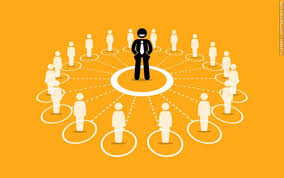
The word influence definition is commonly searched by students, writers, marketers, business professionals, and social media users who want to understand the meaning and importance of influence in everyday life. Influence is a powerful concept connected to communication, leadership, marketing, psychology, relationships, and decision-making.
People are influenced constantly by family members, teachers, celebrities, social media creators, advertisements, trends, and online content. Influence shapes opinions, behaviors, emotions, and choices both positively and negatively.
In the modern digital world, influence has become even more important because online platforms allow individuals and brands to reach millions of people instantly. Understanding the meaning of influence helps people recognize how communication and persuasion affect society, businesses, and personal relationships.
What Is the Definition of Influence?
The influence definition refers to the ability to affect someone’s thoughts, behavior, actions, or decisions. Influence can come from individuals, groups, media, organizations, or social environments.
Influence may occur directly through communication or indirectly through observation and social interaction.
The word “influence” can function as both a noun and a verb.
Influence as a Noun
As a noun, influence means the power or effect someone has on others.
Example:
A teacher may have a strong influence on students.
Influence as a Verb
As a verb, influence means to affect or change someone’s behavior or thinking.
Example:
Advertising can influence customer buying decisions.
This flexibility makes influence an important concept in many fields and industries.
Importance of Influence in Daily Life
Understanding the influence definition is important because influence affects nearly every part of human life.
People experience influence through:
- Family relationships
- Friendships
- School environments
- Workplace communication
- Social media content
- Advertising campaigns
- News and entertainment
Influence helps shape personal identity, opinions, habits, and social behavior.
Positive influence can encourage growth, learning, and motivation, while negative influence may lead to harmful decisions or unhealthy behaviors.
Types of Influence
There are several different forms connected to the influence definition.
Social Influence
Social influence occurs when people change behavior because of others around them.
Media Influence
Television, movies, online videos, and social media can strongly affect public opinions and trends.
Leadership Influence
Leaders influence teams, organizations, and communities through communication and decision-making.
Marketing Influence
Businesses use advertising and branding to influence customer behavior and purchasing decisions.
Peer Influence
Friends and social groups often affect personal choices, especially among teenagers and young adults.
Each type of influence plays a major role in modern society.
Influence in Psychology
Psychology strongly studies the influence definition because human behavior is deeply connected to social interaction and persuasion.
Psychologists analyze how people respond to authority, peer pressure, emotions, and communication.
Some important psychological concepts related to influence include:
- Persuasion
- Social pressure
- Behavioral imitation
- Emotional influence
- Group behavior
Research shows that people are often affected by the actions and opinions of others, sometimes without realizing it.
This is why influence is considered a major factor in understanding human behavior.
Influence in Social Media
The rise of social media has transformed the meaning and power of the influence definition. Platforms such as Instagram, TikTok, and YouTube allow creators to influence millions of followers worldwide.
Social media influencers often affect:
- Fashion trends
- Product sales
- Lifestyle choices
- Entertainment preferences
- Public opinions
Brands now collaborate with influencers to market products and reach targeted audiences more effectively.
Digital influence has become one of the most powerful forms of communication in modern society.
Influence in Business and Marketing
Businesses heavily rely on the concept behind the influence definition to attract customers and build brand loyalty.
Marketing campaigns are designed to influence consumer decisions through:
- Advertising
- Emotional storytelling
- Brand identity
- Celebrity endorsements
- Customer reviews
Companies use psychology and market research to understand what influences customer behavior.
Strong brand influence can increase customer trust and improve long-term business success.
Digital marketing and influencer marketing have become especially important in modern business strategies.
Positive and Negative Influence
The influence definition includes both positive and negative effects.
Positive Influence
Positive influence can encourage:
- Education
- Motivation
- Healthy habits
- Personal growth
- Leadership development
Negative Influence
Negative influence may lead to:
- Bad decisions
- Unhealthy behavior
- Peer pressure
- Misinformation
- Harmful habits
Understanding influence helps people make better decisions about who and what affects their lives.
Critical thinking is important for avoiding harmful influence and making informed choices.
Influence and Leadership
Leadership is strongly connected to the influence definition. Effective leaders influence others through communication, confidence, and trust.
Good leaders often inspire teams by:
- Setting examples
- Motivating employees
- Building trust
- Encouraging teamwork
Leadership influence is important in businesses, schools, politics, sports, and communities.
People often follow leaders they respect and trust rather than those who rely only on authority.
Strong communication skills are essential for positive leadership influence.
Technology and Digital Influence
Technology continues changing the way influence works in society. Artificial intelligence, recommendation algorithms, and online advertising systems now influence what people watch, buy, and discuss online.
Digital platforms collect user data to personalize content and advertisements.
This creates powerful systems capable of influencing:
- Shopping behavior
- Entertainment choices
- Political opinions
- Online engagement
As technology evolves, digital influence is expected to become even more important in communication and business strategies.
Challenges Related to Influence
Although influence can be beneficial, there are also challenges connected to the influence definition.
Misinformation and fake news can influence people negatively online.
Social media pressure may affect mental health and self-esteem, especially among younger users.
Manipulative advertising and online scams also use influence techniques to target consumers.
Because of these risks, media literacy and critical thinking have become increasingly important in the digital age.
People should carefully evaluate information and avoid blindly following trends or online opinions.
Future of Influence
The future of influence will likely become even more connected to technology, artificial intelligence, and digital communication.
AI systems may increasingly personalize advertisements and online recommendations based on user behavior.
Virtual influencers and AI-generated personalities are already appearing on social media platforms.
Businesses and content creators will continue developing new ways to influence audiences through interactive digital experiences.
As communication technology advances, understanding influence will remain highly important for society, marketing, education, and leadership.
Conclusion
In conclusion, the influence definition refers to the ability to affect thoughts, decisions, behaviors, or opinions. Influence plays an important role in psychology, business, leadership, social media, communication, and everyday relationships.
Modern technology and digital platforms have greatly expanded the power of influence in today’s world.
Understanding how influence works can help people make smarter decisions, improve communication skills, and recognize both positive and negative effects in personal life and society.