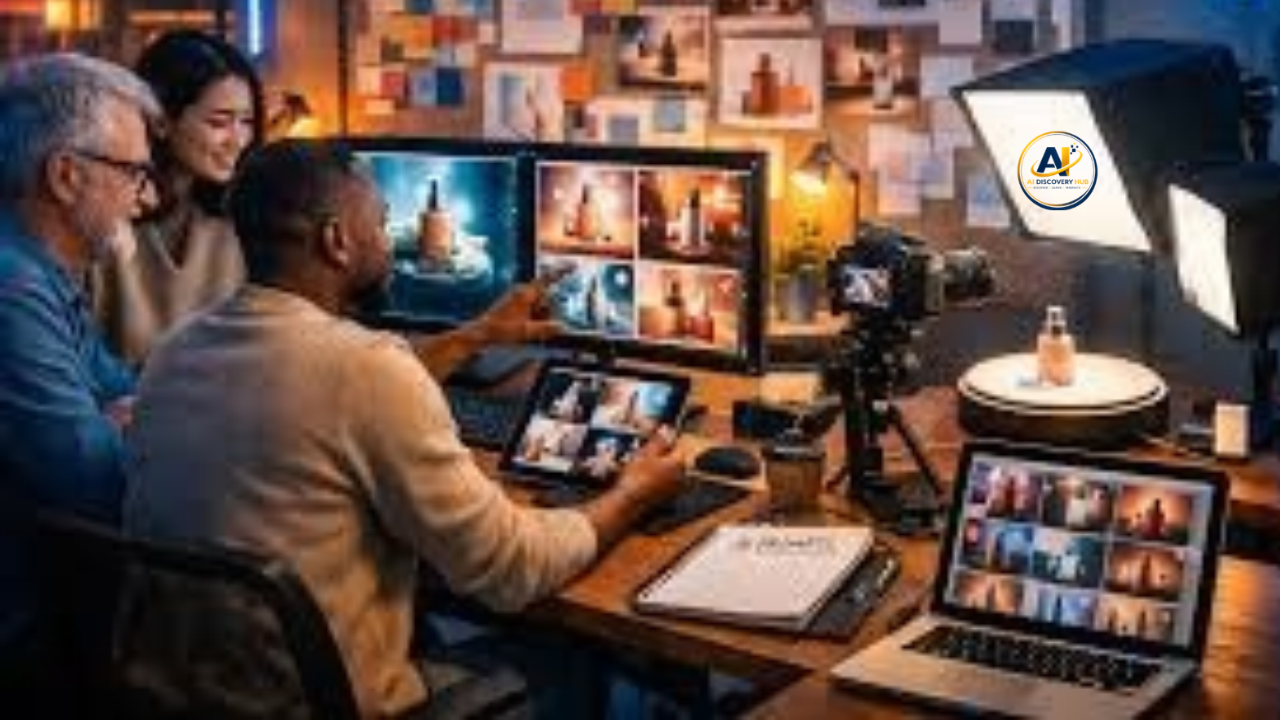
AI image generation trends 2026 are changing the way people create digital art, marketing graphics, social media content, product images, and visual concepts. AI image tools have moved beyond simple text-to-image generation. Modern systems can now create detailed images, edit existing pictures, preserve important elements from reference images, and help creators move from an idea to a finished visual much faster.
In 2026, another major change is taking place: creators are looking for more control and personality instead of simply generating perfectly polished images. Adobe’s 2026 Creative Trends report highlights authenticity, emotional connection, surreal experimentation, sensory visuals, and local cultural representation as important directions for visual creativity.
At the same time, image-generation technology itself continues to improve. OpenAI’s September 2026 release of ChatGPT Images 2.5, for example, introduced improvements in detail, editing, reference-image preservation, and generation speed.
What Are AI Image Generation Trends in 2026?
AI image generation trends are the styles, techniques, technologies, and creative uses becoming increasingly popular during 2026.
Earlier AI image tools were mainly used to turn written prompts into pictures. Today’s creative workflows are more interactive. Users can generate an image, edit specific areas, change the composition, preserve a character or product, and continue refining the result.
Adobe describes this shift as a move toward more fluid AI-powered creative workflows in which creators generate, refine, and shape ideas rather than simply accepting the first AI output.
1. More Realistic AI Images
One of the biggest AI image generation trends in 2026 is improved realism.
AI-generated people, products, environments, and objects can now contain much more detailed lighting, textures, shadows, and materials. This makes generated images increasingly useful for advertising, product concepts, editorial projects, and social media.
OpenAI’s current image-generation technology, for example, emphasizes sharper details, richer textures, more natural lighting, and better preservation of subjects from reference images.
However, realism is not the only goal. Many creators are deliberately choosing unusual or artistic styles rather than trying to make every image look like a photograph.
2. AI Image Editing Instead of Starting From Scratch
Another major trend is using AI to edit existing images.
Instead of generating a completely new picture, users can upload an image and ask AI to make specific changes. These can include removing objects, changing backgrounds, extending a scene, modifying lighting, or adjusting individual elements.
Adobe’s 2026 Firefly updates emphasize integrated image-generation and editing workflows, allowing creators to generate an image and then continue modifying it using AI-powered tools.
This approach can be particularly useful for designers because they can maintain more control over the original concept.
3. Better Reference Image Control
Reference images are becoming increasingly important.
A creator may want an AI-generated image to maintain the appearance of a particular product, character, person, environment, or visual style. Newer image models are becoming better at following these references while creating new compositions.
OpenAI says ChatGPT Images 2.5 has improved its ability to preserve subjects from reference photos and follow editing instructions across multiple turns.
This makes AI image generation more useful for projects that require visual consistency.
4. Personalized AI Styles
Generic AI images are becoming less interesting to many professional creators. A growing trend is creating visuals around a recognizable personal or brand style.
Adobe’s Firefly platform introduced custom models that can be trained using a creator’s own images to capture a particular visual style, character style, or photographic look. Adobe says these custom models are designed to help creators produce more consistent visuals.
This can be useful for brands that need multiple images while maintaining a consistent visual identity.
5. Surreal and Playful AI Art
Not every 2026 AI image trend is about realism.
Surreal and playful imagery is another major direction. Adobe’s 2026 Creative Trends report calls this style “Surreal Silliness,” describing visuals that bend normal logic, mix unexpected elements, and create unusual experiences.
AI makes this type of experimentation easier because creators can describe combinations that would be expensive or difficult to photograph in the real world.
For example, an artist might combine an ordinary environment with oversized objects, impossible architecture, unusual characters, or dreamlike visual effects.
6. Authentic and Imperfect Visuals
Another interesting trend is the move away from excessive perfection.
Canva’s 2026 Design Trends report describes this direction as “Imperfect by Design.” The idea is that creators are increasingly embracing visual imperfections, personal expression, and work that feels less artificially polished.
This does not mean AI-generated images are becoming less sophisticated. Instead, creators are using sophisticated tools to produce visuals that intentionally feel handmade, personal, imperfect, or human.
7. Local and Cultural Visuals
AI image generation is also becoming more useful for creating visuals connected to particular regions and cultures.
Adobe’s 2026 Creative Trends report identifies “Local Flavors” as a significant visual direction. The trend focuses on authentic regional imagery, local communities, cultural details, and representation rather than generic global imagery.
For businesses, this can make marketing materials feel more relevant to specific audiences.
However, cultural accuracy still matters. AI-generated imagery should be reviewed carefully when it represents real communities, traditions, clothing, architecture, or historical subjects.
8. Cinematic AI Images
Cinematic visuals remain an important direction in AI-generated content.
Creators are using dramatic lighting, wide compositions, atmospheric environments, film-inspired color treatments, and storytelling-focused scenes to create images that look like frames from a larger story.
This trend connects image generation with the wider growth of AI video and multimodal creative tools. Gartner notes that multimodal generative AI is increasingly being used for content creation across industries, combining different types of media such as text, images, and video.
9. AI Product Photography
Product photography is another important use of AI image generation.
Businesses can use AI to create product scenes, backgrounds, promotional concepts, and advertising variations without arranging a completely new physical photoshoot for every concept.
Adobe’s Firefly updates include expanded image-editing capabilities designed to help creators modify and develop generated visuals.
AI-generated product imagery can be particularly useful during the early concept stage, although businesses should ensure that generated images accurately represent the real product when used commercially.
10. AI-Generated Nostalgia
Nostalgia is also becoming a visible AI image trend.
In 2026, social media users have been creating AI-generated images that place people and subjects into different historical aesthetics. A recent September 2026 trend involved users transforming photographs into 1980s-style portraits with retro hairstyles, clothing, colors, and settings.
AI makes these transformations easy because users can describe a decade, fashion style, environment, or photographic aesthetic and then refine the result.
11. Multimodal Creative Workflows
AI image generation is increasingly connected with other types of creative media.
Instead of using separate tools for writing, images, video, and editing, creators are moving toward workflows where several forms of content can be developed together.
Gartner identifies multimodal capabilities as an important force in generative AI adoption, particularly for content creation and discovery.
This means the future of AI image generation may be less about creating one isolated picture and more about building complete visual campaigns.
12. Faster Image Generation
Speed is another important development.
When image generation becomes faster, creators can experiment with more ideas instead of spending a long time waiting for every result.
OpenAI says its ChatGPT Images 2.5 model reduced generation latency by up to 50% compared with its previous Images 2.0 model.
Faster generation can make iterative workflows more practical because users can generate, review, modify, and regenerate images more quickly.
How AI Image Generation Is Changing Creative Work
AI image generation is not simply replacing traditional design tools. Instead, it is becoming another part of the creative process.
Adobe’s 2026 research involving nearly 2,000 creative professionals and other creatives in the United States, United Kingdom, and Japan found that brainstorming and ideation are among the areas where creatives are integrating AI most.
This suggests that AI can be particularly useful during the early stages of a project.
A designer can generate several concepts, select a direction, make adjustments, and then use traditional creative skills to refine the final result.
Are AI-Generated Images Replacing Human Creativity?
AI image generators can produce impressive results, but human creativity remains important.
Someone still needs to decide what the image should communicate, which visual direction fits the audience, whether the result is accurate, and how it should be used.
Adobe’s 2026 Creative Trends report similarly emphasizes combining innovation with authenticity and keeping people at the center of creative work.
The most useful approach may therefore be to treat AI as a creative tool rather than simply an automatic replacement for the entire design process.
Frequently Asked Questions
What is the biggest AI image generation trend in 2026?
Improved realism and editing are major trends, but 2026 is also seeing strong interest in authenticity, personalization, surreal visuals, cultural representation, and cinematic storytelling.
Are AI-generated images becoming more realistic?
Yes. Current image-generation systems are improving in areas such as texture, lighting, detail, reference-image preservation, and editing accuracy.
Can AI edit existing photos?
Yes. Modern AI creative tools can perform tasks such as removing objects, changing elements, extending scenes, and modifying images through instructions.
What is the “Imperfect by Design” trend?
It is Canva’s term for a 2026 design direction that embraces imperfection, personal expression, and less polished visual styles.
Is AI image generation useful for businesses?
Yes. Businesses can use it for concept development, marketing visuals, product concepts, social media content, and other creative tasks. Gartner reports that multimodal generative AI is increasingly being used for content creation across industries.
Final Thoughts
The AI image generation trends 2026 landscape is moving beyond simple text-to-image prompts. Better realism, AI editing, reference-image control, personalized styles, surreal artwork, authentic visuals, local cultural representation, cinematic imagery, and faster generation are all shaping the current creative environment.
At the same time, the strongest trend may be the combination of AI capability with human direction. Adobe and Canva’s 2026 creative research both point toward a greater interest in authenticity, personal expression, and visuals that feel meaningful rather than simply technically perfect.
As AI image tools continue to improve, creators will have more ways to experiment with ideas and turn concepts into finished visuals. The technology is developing quickly, but the creative decision about what to make—and why—still starts with the human behind the prompt.