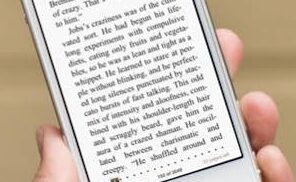
The relationship between books and smartphones has changed dramatically over the past decade. What was once considered a simple communication device has evolved into a powerful tool for education, entertainment, productivity, and digital reading. Today, millions of people use smartphones to access books, audiobooks, educational content, and digital libraries from virtually anywhere in the world.
The term “Books Smartphone“ reflects the growing connection between traditional reading and mobile technology. Smartphones have made reading more accessible than ever before, allowing users to carry entire libraries in their pockets. Whether someone enjoys novels, textbooks, self-improvement guides, research materials, or audiobooks, modern smartphones provide convenient access to a vast range of content.
As digital technology continues advancing, smartphones are playing an increasingly important role in how people discover, purchase, read, and share books. This transformation has created new opportunities for readers, authors, publishers, and educators alike.
This article explores how smartphones have influenced reading habits, the advantages and disadvantages of digital reading, popular reading applications, and the future of books in the smartphone era.
The Evolution of Reading in the Digital Age
For centuries, printed books were the primary method of accessing written information. Libraries, bookstores, and personal collections served as the main sources of reading material.
The arrival of digital technology changed this landscape significantly.
First came electronic books, followed by dedicated e-readers. Eventually, smartphones became powerful enough to support advanced reading applications, making digital books available to nearly anyone with a mobile device.
Today, readers can download thousands of books instantly without visiting a bookstore or library.
This shift has fundamentally transformed reading habits around the world.
What Is a Books Smartphone Experience?
A books smartphone experience refers to using a smartphone as a platform for reading and accessing literary content.
This can include:
- E-books
- Audiobooks
- Digital magazines
- Educational materials
- Research documents
- Online articles
- Interactive learning content
Modern smartphones combine portability, internet connectivity, and powerful software to create a versatile reading environment.
Why Smartphones Have Become Popular for Reading
Several factors contribute to the popularity of smartphone reading.
Convenience
Users can carry hundreds or even thousands of books on a single device.
Instant Access
Books can often be downloaded within seconds.
Portability
Smartphones fit easily into pockets, purses, and backpacks.
Multi-Functionality
In addition to reading, users can access notes, dictionaries, bookmarks, and online resources.
Affordability
Many digital books cost less than printed editions.
These benefits have encouraged widespread adoption of mobile reading.
Types of Books Available on Smartphones
Smartphones support a wide range of reading formats.
Fiction Books
Novels, short stories, and literary works remain popular among mobile readers.
Non-Fiction Books
Business, history, science, and self-improvement books are widely available.
Educational Textbooks
Students increasingly use smartphones to access academic materials.
Children’s Books
Interactive digital books can provide engaging experiences for young readers.
Professional Resources
Many professionals rely on digital books for industry knowledge and skill development.
The diversity of available content makes smartphones valuable reading tools.
E-Books and Smartphones
E-books have become one of the most important components of smartphone reading.
An e-book is a digital version of a printed book that can be viewed on electronic devices.
Benefits of e-books include:
- Instant delivery
- Adjustable text size
- Search functionality
- Bookmarking features
- Reduced physical storage needs
These advantages have contributed to their growing popularity.
Audiobooks and Mobile Reading
Audiobooks have experienced significant growth in recent years.
Smartphones make it easy to listen to books while:
- Driving
- Exercising
- Traveling
- Performing household tasks
This flexibility allows users to consume content even when traditional reading is not practical.
Many readers now alternate between e-books and audiobooks depending on their circumstances.
Popular Reading Applications
Numerous applications support smartphone reading experiences.
Common features include:
Cloud Synchronization
Reading progress can be synchronized across multiple devices.
Night Mode
Dark backgrounds help reduce eye strain during nighttime reading.
Adjustable Fonts
Users can customize text size and style.
Annotation Tools
Highlighting and note-taking support learning and reference purposes.
Offline Access
Downloaded books can often be read without an internet connection.
These features enhance convenience and user experience.
Benefits of Reading Books on Smartphones
Accessibility
Smartphones make reading available to a broader audience.
Portability
Readers can access books wherever they go.
Cost Savings
Many digital books are more affordable than physical copies.
Environmental Benefits
Digital books reduce paper consumption.
Search Capabilities
Finding specific passages is often easier in digital formats.
Customization
Readers can personalize settings according to their preferences.
These advantages have helped digital reading become mainstream.
Educational Advantages
Smartphones have transformed educational access worldwide.
Students can use smartphones to:
- Read textbooks
- Access research materials
- Participate in online courses
- Review study guides
- Learn new skills
In regions with limited educational infrastructure, smartphones often provide important learning opportunities.
Educational institutions increasingly incorporate mobile-friendly resources into their programs.
Challenges of Reading on Smartphones
Despite their advantages, smartphones also present challenges.
Screen Fatigue
Extended screen time may cause eye strain for some users.
Distractions
Notifications, social media, and messages can interrupt reading sessions.
Battery Dependence
Reading requires sufficient battery power.
Smaller Screens
Some readers prefer larger displays for lengthy reading sessions.
Understanding these limitations helps users develop healthier reading habits.
Smartphones vs Traditional Books
Advantages of Smartphones
- Portability
- Instant access
- Digital storage
- Search functionality
- Interactive features
Advantages of Printed Books
- No battery requirements
- Reduced screen exposure
- Tangible reading experience
- Easier focus for some readers
Many readers enjoy using both formats depending on their needs and preferences.
The Impact on Publishers and Authors
The rise of smartphone reading has transformed the publishing industry.
Expanded Reach
Authors can reach global audiences more easily.
Self-Publishing Opportunities
Digital platforms allow independent authors to publish directly.
Faster Distribution
Books can be distributed instantly worldwide.
Data Insights
Publishers can analyze reader behavior and preferences.
These developments have created new opportunities within the literary world.
The Future of Books Smartphone Technology
The future of smartphone reading appears promising.
Expected developments include:
Artificial Intelligence Integration
AI may provide personalized reading recommendations.
Enhanced Audiobooks
Voice technology continues improving.
Interactive Content
Digital books may become increasingly immersive.
Improved Displays
Screen technologies are becoming more comfortable for extended reading.
Expanded Educational Features
Learning tools may become more advanced and personalized.
These innovations will likely further strengthen the connection between books and smartphones.
Tips for Better Smartphone Reading
To improve the reading experience:
Use Reading Mode
Reduce distractions by enabling focus settings.
Adjust Brightness
Maintain comfortable screen brightness levels.
Take Regular Breaks
Periodic breaks help reduce eye strain.
Use Night Mode
Dark themes can improve nighttime reading comfort.
Organize Your Library
Keeping books organized makes content easier to access.
These habits can enhance enjoyment and productivity.
Conclusion
The concept of Books Smartphone highlights the powerful relationship between modern mobile technology and reading. Smartphones have transformed how people access, consume, and interact with books, making reading more convenient and accessible than ever before.
From e-books and audiobooks to educational resources and professional development materials, smartphones provide countless opportunities for learning and entertainment. While challenges such as screen fatigue and distractions remain, the benefits of portability, accessibility, affordability, and customization continue driving the growth of mobile reading.
As technology evolves, smartphones are expected to play an even larger role in the future of reading, helping connect readers with knowledge, stories, and educational opportunities around the world.