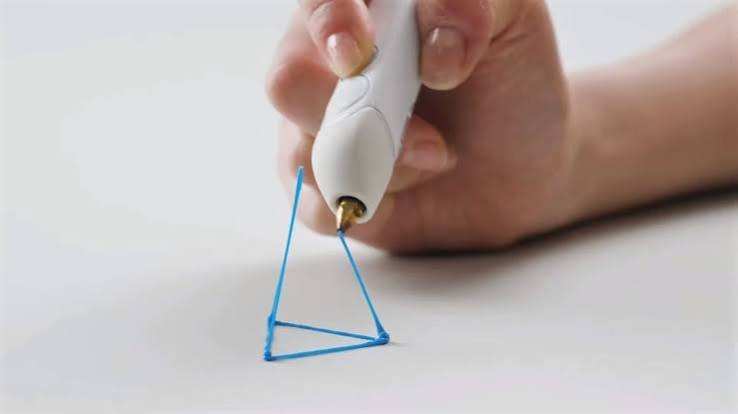
Technology has transformed the way people create art, design objects, and bring ideas to life. One of the most exciting innovations in creative technology is the 3D printing pen. Unlike traditional pens that leave ink on paper, a 3D printing pen allows users to draw physical objects in three dimensions. This unique tool combines creativity, engineering, and technology, making it popular among artists, students, hobbyists, designers, and educators.
The concept behind a 3D printing pen is simple yet revolutionary. Instead of using ink, the pen heats plastic filament and extrudes it through a nozzle. As the plastic cools, it solidifies, allowing users to create structures, sculptures, models, and artistic designs in the air or on a surface.
Over the years, 3D printing pens have gained popularity because they offer an affordable and accessible way to experience 3D creation without requiring a full-sized 3D printer. Whether someone wants to create decorative artwork, educational projects, prototypes, or personalized gifts, a 3D printing pen provides endless possibilities.
This article explores how 3D printing pens work, their features, benefits, applications, limitations, and why they continue to attract creative individuals around the world.
What Is a 3D Printing Pen?
A 3D printing pen is a handheld device that extrudes heated plastic filament, allowing users to draw and build three-dimensional objects manually. It functions similarly to a glue gun but is specifically designed for creative modeling and artistic projects.
The pen melts plastic filament inside an internal heating chamber. The melted material is then pushed through a small nozzle, where it quickly cools and hardens. This process enables users to create shapes, structures, and designs that can extend vertically and horizontally.
Unlike conventional 3D printers, which operate using computer-generated models, a 3D printing pen gives users complete manual control over the design process.
How Does a 3D Printing Pen Work?
The operation of a 3D printing pen involves several key components working together.
Filament Loading
The user inserts a plastic filament into the pen. Common filament materials include PLA and ABS.
Heating Process
Inside the pen, a heating element melts the filament to a specific temperature suitable for extrusion.
Extrusion
Once heated, the plastic is pushed through the pen’s nozzle. The user controls the flow using buttons or adjustable speed settings.
Cooling and Solidification
As the plastic leaves the nozzle, it cools rapidly and hardens, creating stable structures that maintain their shape.
This simple process allows users to draw directly in three-dimensional space.
Types of Filaments Used
The performance and safety of a 3D printing pen often depend on the filament being used.
PLA Filament
PLA (Polylactic Acid) is one of the most common materials used in 3D printing pens. It is biodegradable, easy to work with, and generally produces less odor during use.
Many beginners prefer PLA because it operates at lower temperatures and is considered safer for educational environments.
ABS Filament
ABS (Acrylonitrile Butadiene Styrene) is another popular option. It is stronger and more durable than PLA but requires higher temperatures.
ABS can produce stronger models but may release odors while melting.
Specialty Filaments
Some manufacturers offer specialty filaments, including:
- Glow-in-the-dark materials
- Metallic finishes
- Flexible plastics
- Transparent filaments
- Multi-color options
These materials expand creative possibilities for users.
Benefits of Using a 3D Printing Pen
The growing popularity of 3D printing pens can be attributed to several advantages.
Encourages Creativity
A 3D printing pen allows users to transform ideas into physical creations instantly. Artists can experiment with shapes, textures, and structures without digital software.
Easy to Learn
Unlike advanced 3D modeling programs, a 3D printing pen can be used with minimal training. Beginners can start creating basic designs within minutes.
Affordable Alternative
Compared to full-sized 3D printers, 3D printing pens are generally more affordable. This makes them accessible to students, hobbyists, and families.
Educational Value
Schools often use 3D printing pens to teach concepts related to engineering, design, architecture, and problem-solving.
Students gain hands-on experience while developing creativity and spatial reasoning skills.
Portable Design
The compact size of a 3D printing pen makes it easy to transport and use in various locations.
Users can work on projects at home, in classrooms, workshops, or creative studios.
Popular Uses of 3D Printing Pens
The versatility of 3D printing pens makes them useful for numerous applications.
Art and Sculpture
Artists use 3D printing pens to create unique sculptures, decorative pieces, and intricate designs.
The ability to draw freely in three dimensions opens new artistic possibilities.
Educational Projects
Teachers incorporate 3D printing pens into science, technology, engineering, and mathematics (STEM) programs.
Students can create models of buildings, molecules, geometric structures, and historical landmarks.
Home Decor
Many hobbyists use 3D printing pens to create custom decorations, ornaments, and personalized gifts.
Handmade items often carry sentimental value and unique design elements.
Prototyping
Designers and inventors sometimes use 3D printing pens to create rough prototypes or visualize ideas quickly.
Although not as precise as traditional 3D printers, pens can assist in conceptual development.
Repairs and Customization
Some users employ 3D printing pens to repair broken plastic objects or add customized details to existing items.
This practical application increases the pen’s usefulness beyond artistic projects.
Features to Consider When Buying a 3D Printing Pen
Choosing the right 3D printing pen depends on individual needs and preferences.
Temperature Control
Adjustable temperature settings provide compatibility with different filament types.
Speed Control
Variable extrusion speeds allow users to create detailed designs and larger structures more effectively.
Ergonomic Design
Comfortable grips and lightweight construction improve usability during long creative sessions.
Safety Features
Many modern pens include safety mechanisms such as automatic shut-off systems and insulated nozzles.
Display Screens
Some advanced models feature digital displays that show temperature settings and operational information.
Challenges and Limitations
Although 3D printing pens offer numerous benefits, they also have limitations.
Learning Curve
Creating stable three-dimensional structures requires practice and patience.
Beginners may initially struggle with controlling filament flow and maintaining consistent shapes.
Precision Limitations
Manual drawing cannot match the precision of computer-controlled 3D printers.
Complex engineering projects may require more advanced manufacturing methods.
Material Constraints
Most 3D printing pens support only specific filament types and sizes.
Users must ensure compatibility when purchasing materials.
Heat Safety
Because the pen operates at high temperatures, users must follow safety guidelines to avoid burns.
Adult supervision is recommended for younger users.
Tips for Beginners
New users can improve their experience by following several best practices.
- Start with simple shapes and patterns.
- Use templates for guidance.
- Practice controlling extrusion speed.
- Allow structures to cool before handling.
- Experiment with different filament types.
- Work on a heat-resistant surface.
Consistent practice helps develop confidence and improve results.
The Role of 3D Printing Pens in Education
Educational institutions increasingly recognize the value of hands-on learning technologies.
3D printing pens support STEM education by encouraging students to explore engineering principles, geometry, architecture, and design thinking.
The interactive nature of these tools makes learning more engaging and memorable.
Students can physically create concepts that might otherwise remain abstract, improving understanding and retention.
Future of 3D Printing Pens
As technology continues advancing, 3D printing pens are expected to become more sophisticated.
Future developments may include:
- Improved safety features
- Faster heating systems
- Enhanced precision
- Wireless operation
- Smart connectivity
- Expanded material compatibility
These innovations could further increase adoption among artists, educators, and makers.
The growing maker movement and interest in creative technologies suggest strong future demand for these devices.
Conclusion
The 3D printing pen represents an exciting blend of creativity and technology. By allowing users to draw physical objects in three dimensions, it provides a unique and accessible way to explore design, art, engineering, and innovation.
Its affordability, portability, educational value, and creative flexibility have made it popular among students, hobbyists, artists, and professionals alike. While it may not replace traditional 3D printers for highly precise projects, the 3D printing pen offers a hands-on experience that encourages imagination and experimentation.
As technology evolves, these versatile tools will likely continue inspiring creators of all ages to transform their ideas into tangible reality, one line of melted filament at a time.