If you have ever watched a superhero movie, a fantasy adventure, or even a modern television commercial, chances are you have seen VFX in action. The term “VFX” is frequently used in the entertainment industry, but many people still wonder about the exact VFX meaning and how it impacts the content they enjoy every day. Visual effects have become an essential part of filmmaking, gaming, advertising, and digital content creation. Without VFX, many of the breathtaking scenes that audiences love would simply be impossible to create.
Understanding the VFX meaning helps people appreciate the technology and creativity behind modern entertainment. Whether it is a dragon flying across the sky, a futuristic city appearing on screen, or a dangerous stunt performed safely through digital enhancements, VFX makes these experiences possible. In this article, we will explore the meaning of VFX, how it works, its applications, benefits, challenges, and career opportunities in this rapidly growing field.
What Is the VFX Meaning?
VFX stands for Visual Effects. The VFX meaning refers to the process of creating or manipulating imagery outside the context of a live-action shot in filmmaking, television production, video games, and digital media. Visual effects are used to combine real-world footage with computer-generated elements to create scenes that look realistic and believable.
Unlike practical effects, which are physically created on a set using props, makeup, or mechanical devices, VFX is produced digitally during post-production. This allows creators to design environments, characters, and events that would be difficult, dangerous, expensive, or completely impossible to film in real life.
The primary goal of VFX is to enhance storytelling by creating visuals that support the narrative while maintaining realism and audience immersion.
The History of Visual Effects
To fully understand the VFX meaning, it is helpful to look at the history of visual effects. Visual effects have existed for more than a century. Early filmmakers experimented with camera tricks, double exposures, and miniatures to create illusions on screen.
As technology advanced, visual effects evolved significantly. During the 1970s and 1980s, films began using computer-generated imagery (CGI) alongside traditional techniques. Movies such as “Star Wars” revolutionized the industry by introducing innovative visual effects that captivated audiences worldwide.
The 1990s marked a major turning point with films like “Jurassic Park,” which demonstrated how realistic digital creatures could be integrated into live-action footage. Since then, advancements in computer software, rendering technology, and artificial intelligence have transformed VFX into one of the most important aspects of modern entertainment production.
How Does VFX Work?
The process of creating visual effects involves several stages and specialized techniques. Each step contributes to the final visual result seen by audiences.
Pre-Production Planning
Before filming begins, visual effects teams collaborate with directors, producers, and cinematographers. They plan how digital elements will be integrated into scenes and determine what resources will be required.
Filming and Data Collection
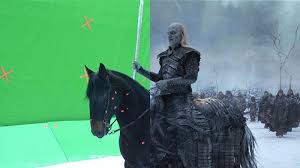
During production, filmmakers often use green screens, motion capture technology, and tracking markers. These tools help VFX artists accurately blend digital content with live-action footage later.
Post-Production
The majority of VFX work occurs during post-production. Artists use specialized software to create digital assets, animations, simulations, and environments. These elements are then composited into the final footage.
Rendering and Final Output
Rendering is the process of generating the final visual image from digital models and effects. Once completed, the VFX shots are reviewed and refined before being added to the finished project.
Types of Visual Effects
The VFX meaning encompasses several different categories of visual effects. Each type serves a specific purpose in content creation.
CGI (Computer-Generated Imagery)
CGI involves creating digital objects, characters, or environments using computer software. It is one of the most common forms of VFX and is widely used in movies, games, and advertisements.
Compositing
Compositing combines multiple visual elements into a single image. For example, actors filmed in front of a green screen can be placed into a completely digital environment.
Motion Capture
Motion capture records the movements of actors and transfers them to digital characters. This technique helps create realistic animations for films and video games.
Matte Painting
Matte painting involves creating detailed digital backgrounds that expand or replace real-world locations. These paintings can depict fantasy worlds, futuristic cities, or historical settings.
Simulation Effects
Simulation effects recreate natural phenomena such as fire, smoke, water, explosions, and weather conditions. Advanced software enables artists to create highly realistic simulations.
VFX vs CGI: Understanding the Difference
Many people use the terms VFX and CGI interchangeably, but they are not exactly the same.
The VFX meaning refers to the broader category of visual effects used to enhance footage. CGI, on the other hand, is a specific technique within VFX that involves creating digital imagery using computers.
In simple terms, CGI is a tool used within the larger VFX process. All CGI can be considered VFX, but not all VFX involves CGI. Visual effects may also include compositing, digital cleanup, motion tracking, and other techniques.
Why Is VFX Important?
Visual effects play a crucial role in modern entertainment and media production. They offer numerous advantages that benefit creators and audiences alike.
Expanding Creative Possibilities
VFX allows storytellers to bring imaginative concepts to life. Creators can design worlds, creatures, and scenarios that would otherwise be impossible to film.
Enhancing Safety
Dangerous stunts, explosions, and action sequences can be simulated digitally, reducing risks for actors and crew members.
Reducing Costs
Building massive sets or traveling to exotic locations can be expensive. VFX often provides a cost-effective alternative by creating environments digitally.
Improving Visual Quality
Visual effects can correct errors, remove unwanted objects, and enhance footage to achieve a polished final product.
Applications of VFX
The VFX meaning extends beyond movies and television. Today, visual effects are used across many industries.
Film Industry
Hollywood and international film studios rely heavily on VFX to create blockbuster productions filled with stunning visuals.
Television
Television shows use visual effects to produce high-quality content while staying within budget constraints.
Video Games
Game developers use VFX to create immersive environments, realistic characters, and dynamic gameplay experiences.
Advertising
Brands use visual effects to create eye-catching commercials that capture consumer attention.
Social Media Content
Content creators increasingly use VFX tools to enhance videos, create animations, and produce engaging online content.
Virtual Reality and Augmented Reality
VFX technologies are essential in developing realistic VR and AR experiences used in gaming, education, healthcare, and training.
Skills Required for a Career in VFX
As demand for visual effects continues to grow, many individuals are interested in pursuing careers in this field. Successful VFX professionals often possess a combination of technical and creative skills.
Strong artistic abilities help artists create visually appealing content. Knowledge of software such as Autodesk Maya, Blender, Houdini, Adobe After Effects, and Nuke is also important. Additionally, problem-solving skills, attention to detail, teamwork, and a willingness to learn new technologies are valuable assets in the VFX industry.
Challenges in the VFX Industry
Despite its exciting opportunities, the VFX industry also faces several challenges. Projects often involve tight deadlines and complex technical requirements. Artists may spend significant time refining details to achieve realistic results.
The rapid pace of technological advancement means professionals must continuously update their skills and stay informed about industry trends. Competition can also be intense, especially for high-profile projects and positions at major studios.
However, those who are passionate about creativity and technology often find the field highly rewarding.
The Future of VFX
The future of VFX looks incredibly promising. Emerging technologies such as artificial intelligence, machine learning, real-time rendering, and virtual production are transforming the industry.
AI-powered tools can automate repetitive tasks, allowing artists to focus more on creativity. Real-time rendering technologies enable filmmakers to view visual effects instantly during production. Virtual production techniques, popularized by modern television and film projects, are creating new possibilities for storytelling.
As digital entertainment continues to expand globally, the demand for skilled VFX professionals and innovative visual effects solutions is expected to grow significantly.
Conclusion
Understanding the VFX meaning provides valuable insight into one of the most influential technologies in modern entertainment. Visual effects have revolutionized filmmaking, gaming, advertising, and digital content creation by enabling creators to bring extraordinary ideas to life. From CGI creatures and breathtaking environments to realistic simulations and immersive virtual experiences, VFX continues to shape the way audiences engage with media.
As technology evolves, visual effects will become even more sophisticated, opening new opportunities for creativity and innovation. Whether you are a movie enthusiast, aspiring artist, gamer, or content creator, learning about VFX can help you appreciate the remarkable work that goes into producing the visual experiences we enjoy every day.