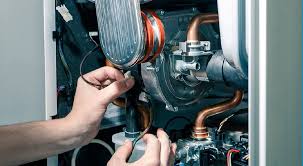
A reliable heating system is one of the most important components of any home or commercial property. During colder months, homeowners depend on their boilers to provide consistent warmth and hot water. However, no heating system lasts forever. Over time, boilers become less efficient, more expensive to operate, and increasingly prone to breakdowns. This is why many property owners eventually face the decision of whether a boiler replacement is necessary.
Replacing a boiler is a significant investment, but it can provide numerous long-term benefits. Modern boiler systems are designed to be more energy-efficient, environmentally friendly, and reliable than older models. A new boiler can reduce energy bills, improve indoor comfort, and minimize the risk of unexpected heating failures.
Understanding when a boiler should be replaced, what options are available, and how the replacement process works can help homeowners make informed decisions. Whether you own a small home, a large property, or a commercial building, selecting the right heating solution is essential for both comfort and cost savings.
This comprehensive guide explores everything you need to know about boiler replacement, including warning signs, costs, benefits, installation considerations, and future heating trends.
What Is a Boiler?
A boiler is a heating appliance that uses fuel or electricity to heat water. The heated water is then distributed throughout a building using radiators, underfloor heating systems, or other heat distribution methods.
Unlike forced-air heating systems, boilers provide radiant heat, which many homeowners find more comfortable and consistent.
Boilers are commonly powered by:
- Natural gas
- Oil
- Electricity
- Propane
Because they operate differently from furnaces, boilers are often praised for their quiet performance and ability to maintain even temperatures throughout a property.
Why Boiler Replacement Becomes Necessary
Every heating system experiences wear and tear over time.
Several factors can contribute to the need for boiler replacement:
Aging Equipment
Most boilers have a limited lifespan. As systems age, efficiency declines and maintenance requirements increase.
Rising Energy Costs
Older boilers often consume significantly more fuel than modern high-efficiency models.
Frequent Repairs
Repeated service calls can become costly and frustrating.
Reduced Performance
Aging systems may struggle to maintain comfortable indoor temperatures.
Safety Concerns
Older boilers can develop issues that affect safe operation.
Replacing an outdated boiler often becomes more cost-effective than continuing repairs.
How Long Does a Boiler Last?
The average lifespan of a boiler depends on factors such as:
- Installation quality
- Maintenance history
- Water quality
- Usage patterns
- Boiler type
Most residential boilers last between 15 and 25 years.
Some high-quality systems may operate effectively for longer periods if properly maintained. However, efficiency usually decreases as equipment ages.
Homeowners with boilers approaching the end of their expected lifespan should begin planning for replacement.
Common Signs You Need a Boiler Replacement
Recognizing warning signs can help prevent unexpected heating failures.
Frequent Breakdowns
If repairs become increasingly common, replacement may be the better option.
Higher Utility Bills
Declining efficiency often results in increased energy consumption.
Uneven Heating
Some rooms may feel colder than others due to system performance issues.
Strange Noises
Banging, whistling, rattling, or gurgling sounds can indicate internal problems.
Water Leaks
Leaks may signal significant component deterioration.
Inconsistent Hot Water
Difficulty maintaining hot water temperatures often points to declining boiler performance.
When multiple symptoms occur simultaneously, replacement is often recommended.
Benefits of Boiler Replacement
Improved Energy Efficiency
One of the most significant advantages of boiler replacement is enhanced efficiency.
Modern boilers use advanced technology to maximize fuel utilization while reducing waste.
Lower Energy Bills
Improved efficiency can lead to substantial savings over time.
Greater Reliability
New boilers are less likely to experience unexpected failures.
Better Indoor Comfort
Modern systems provide more consistent and responsive heating.
Reduced Environmental Impact
Energy-efficient boilers typically produce lower emissions.
Increased Property Value
A recently installed heating system may enhance a property’s appeal to potential buyers.
These benefits often justify the initial investment required for replacement.
Types of Boilers Available
Several types of boilers are commonly available for residential and commercial applications.
Combi Boilers
Combination boilers provide both heating and hot water without requiring separate storage tanks.
Benefits include:
- Compact design
- Energy efficiency
- Reduced space requirements
System Boilers
System boilers work with hot water storage cylinders and are suitable for larger households.
Advantages include:
- Consistent hot water supply
- Support for multiple bathrooms
- Efficient operation
Conventional Boilers
Also called regular boilers, these systems use separate hot water and cold water storage tanks.
They are often found in older properties.
Electric Boilers
Electric boilers use electricity instead of gas or oil.
They can be suitable for properties without access to natural gas infrastructure.
Each boiler type offers unique advantages depending on property requirements.
Understanding Boiler Efficiency Ratings
Efficiency ratings play an important role when selecting a replacement boiler.
Higher efficiency ratings indicate that more fuel is converted into usable heat.
Benefits include:
- Lower operating costs
- Reduced emissions
- Improved performance
Many modern condensing boilers achieve efficiency levels significantly higher than older systems.
Homeowners should carefully compare efficiency ratings before making a purchase decision.
Boiler Replacement Costs
The cost of boiler replacement varies depending on several factors.
Boiler Type
Different systems have different equipment costs.
Property Size
Larger properties often require more powerful systems.
Installation Complexity
Additional plumbing or system modifications may increase expenses.
Location
Labor costs vary by region.
Additional Upgrades
New thermostats, controls, or radiators may add to the overall project cost.
While replacement costs can be significant, long-term energy savings often help offset the investment.
The Boiler Replacement Process
Initial Assessment
A qualified heating professional evaluates the existing system and property requirements.
System Selection
The most appropriate boiler type and capacity are determined.
Removal of Existing Equipment
The old boiler is safely disconnected and removed.
Installation
The new system is installed and connected to existing infrastructure.
Testing and Commissioning
Technicians verify safe and efficient operation.
User Training
Homeowners receive instructions regarding operation and maintenance.
Professional installation is essential for optimal performance and safety.
Importance of Professional Installation
Attempting to install a boiler without proper qualifications can be dangerous.
Professional installers help ensure:
- Compliance with local regulations
- Safe fuel connections
- Proper ventilation
- Correct system sizing
- Efficient operation
Investing in experienced professionals can prevent costly future problems.
Boiler Replacement vs Boiler Repair
Homeowners often struggle to decide whether repair or replacement is the better option.
When Repair Makes Sense
- Minor issues
- Relatively new equipment
- Affordable repair costs
- Good overall system condition
When Replacement Is Better
- Frequent breakdowns
- High repair expenses
- Poor efficiency
- Advanced age
A professional evaluation can help determine the most cost-effective solution.
Smart Technology and Modern Boilers
Modern heating systems increasingly incorporate smart technology.
Features may include:
Smart Thermostats
Remote temperature control through mobile devices.
Scheduling Functions
Automatic heating schedules improve efficiency.
Energy Monitoring
Users can track consumption patterns.
Remote Diagnostics
Some systems allow technicians to monitor performance remotely.
These innovations improve convenience and energy management.
Environmental Benefits of Replacing an Old Boiler
Many homeowners prioritize sustainability.
Replacing an outdated boiler can help:
- Reduce fuel consumption
- Lower carbon emissions
- Improve energy efficiency
- Support environmental goals
As energy regulations evolve, efficient heating systems continue gaining importance.
Tips for Choosing the Right Boiler
Assess Household Needs
Consider heating and hot water requirements.
Compare Efficiency Ratings
Higher efficiency often translates into lower operating costs.
Consider Future Plans
Think about potential renovations or family growth.
Research Manufacturers
Choose reputable brands with strong reliability records.
Work with Qualified Professionals
Expert advice helps ensure the correct system selection.
Careful planning can maximize the benefits of replacement.
Future Trends in Boiler Technology
The heating industry continues evolving.
Emerging trends include:
Hybrid Heating Systems
Combining boilers with renewable energy technologies.
Advanced Smart Controls
Greater automation and efficiency.
Improved Heat Exchangers
Enhanced durability and performance.
Lower Emission Systems
Manufacturers continue developing environmentally friendly solutions.
These innovations will influence future heating choices.
Conclusion
Boiler replacement is an important investment that can significantly improve a property’s comfort, efficiency, and reliability. While replacing a boiler requires careful planning and financial commitment, the benefits often outweigh the costs. Modern systems provide superior energy efficiency, lower operating expenses, enhanced comfort, and greater environmental performance compared to aging equipment.
By recognizing the signs of boiler failure, understanding available system options, and working with qualified professionals, homeowners can make informed decisions that support both immediate needs and long-term goals. Whether replacing an outdated system or upgrading for improved efficiency, a new boiler can deliver lasting value and dependable heating for years to come.