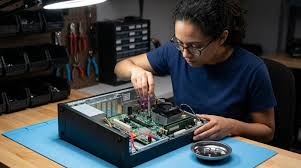
In today’s digital world, computers have become essential tools for work, education, communication, entertainment, and business operations. From personal laptops and desktop PCs to servers and business workstations, people rely on computers every day. When these devices experience hardware failures, software issues, or security problems, organizations and individuals depend on computer repair technicians to diagnose and fix them efficiently.
A computer repair technician is an IT professional responsible for troubleshooting, repairing, maintaining, and upgrading computer systems. Their work helps ensure that devices operate smoothly, minimizing downtime and improving productivity. Whether replacing faulty hardware, removing malware, installing operating systems, or recovering lost data, these technicians play a critical role in keeping technology running.
The demand for skilled computer repair technicians continues across businesses, schools, hospitals, government offices, retail stores, and independent repair shops. While many modern devices are becoming more reliable, the growing number of computers and connected devices ensures ongoing opportunities for professionals with strong technical skills.
This comprehensive guide explores everything you need to know about becoming a computer repair technician, including job responsibilities, required skills, certifications, salary expectations, career opportunities, daily tasks, tools, and future industry trends.
What Is a Computer Repair Technician?
A computer repair technician is a professional who diagnoses, repairs, upgrades, and maintains computer hardware and software systems.
Their responsibilities may include working on:
- Desktop computers
- Laptop computers
- Workstations
- Small business servers
- Printers
- Computer peripherals
- Networking equipment
- Storage devices
Technicians may work independently, in retail repair shops, for managed IT service providers, educational institutions, healthcare organizations, or large corporations.
What Does a Computer Repair Technician Do?
Computer repair technicians handle a wide variety of technical problems.
Typical responsibilities include:
- Diagnosing hardware failures
- Troubleshooting software issues
- Installing operating systems
- Replacing damaged components
- Removing viruses and malware
- Recovering lost data
- Upgrading memory and storage
- Installing drivers
- Configuring printers
- Assisting customers with technical issues
They ensure computers remain secure, reliable, and functional.
Common Computer Problems Technicians Fix
Every day brings different technical challenges.
Some of the most common repairs include:
Slow Computer Performance
Technicians identify causes such as:
- Low memory
- Full storage drives
- Malware infections
- Startup applications
- Fragmented drives (on older HDDs)
Broken Laptop Screens
Cracked displays are among the most frequent laptop repairs.
Battery Replacement
Aging laptop batteries often require replacement after years of use.
Hard Drive Failure
Failed hard drives may require replacement and data recovery.
Virus and Malware Removal
Technicians eliminate malicious software while improving system security.
Operating System Issues
Problems such as boot failures, system crashes, and update errors are common repair requests.
Overheating
Cleaning cooling systems and replacing thermal paste often resolves overheating problems.
Essential Skills for a Computer Repair Technician
Successful technicians combine technical expertise with excellent customer service.
Hardware Knowledge
Understanding computer components is fundamental.
Technicians should know how to work with:
- Motherboards
- CPUs
- RAM
- SSDs
- Hard drives
- Power supplies
- Graphics cards
- Cooling systems
Software Troubleshooting
Technicians should understand:
- Windows
- macOS
- Linux
- Device drivers
- BIOS/UEFI
- Software installation
- Operating system recovery
Networking Basics
Basic networking knowledge helps resolve:
- Wi-Fi issues
- Router configuration
- Printer connectivity
- Internet problems
Cybersecurity Awareness
Technicians frequently assist with:
- Virus removal
- Security software
- Password management
- Safe browsing practices
Customer Service
Clear communication and patience are essential when assisting users with technical problems.
Tools Used by Computer Repair Technicians
Professional technicians use specialized tools to diagnose and repair systems.
Common tools include:
- Precision screwdriver sets
- Anti-static wrist straps
- Multimeters
- Diagnostic USB drives
- External storage devices
- Thermal paste
- Compressed air
- Cable testers
- Network testing tools
Software tools are equally important for diagnosing operating system and hardware issues.
Educational Requirements
Many computer repair technicians begin with formal education in:
- Information Technology
- Computer Science
- Computer Engineering
- Electronics
- Information Systems
However, many employers also hire candidates with practical experience and industry certifications, even without a four-year degree.
Hands-on skills often matter as much as academic qualifications.
Certifications That Improve Career Opportunities
Professional certifications demonstrate technical competence and can improve employment prospects.
Popular certifications include:
CompTIA A+
Often considered the industry standard for entry-level computer repair technicians.
CompTIA Network+
Provides networking knowledge useful in many repair roles.
CompTIA Security+
Introduces cybersecurity fundamentals.
Microsoft Certifications
Useful for technicians supporting Windows environments.
Apple Certifications
Valuable for professionals repairing Mac computers and Apple devices.
Certifications help technicians stay current with evolving technology.
Where Computer Repair Technicians Work
Computer repair technicians work in many different environments.
Common employers include:
- Computer repair shops
- IT service providers
- Schools
- Universities
- Hospitals
- Government agencies
- Retail electronics stores
- Corporate IT departments
- Manufacturing companies
- Small businesses
Some technicians also operate their own independent repair businesses.
Salary Expectations
Computer repair technician salaries depend on several factors, including:
- Experience
- Certifications
- Geographic location
- Industry
- Employer
- Technical specialization
Entry-level technicians typically earn competitive starting salaries, while experienced professionals with networking, cybersecurity, or server administration expertise often earn significantly more.
Those who establish successful repair businesses may increase their income through independent clients and managed IT services.
Career Advancement Opportunities
Computer repair technicians often advance into higher-paying IT positions.
Possible career paths include:
Help Desk Specialist
Provides remote technical support.
Desktop Support Technician
Supports business computer systems.
Network Administrator
Manages network infrastructure.
Systems Administrator
Maintains enterprise servers and IT systems.
IT Support Manager
Leads technical support teams.
Cybersecurity Analyst
Focuses on protecting organizational systems.
Cloud Support Engineer
Supports cloud-based IT infrastructure.
Building additional technical skills creates numerous advancement opportunities.
Daily Work Environment
A typical day may include:
- Diagnosing customer computers
- Installing replacement hardware
- Running system diagnostics
- Updating operating systems
- Backing up customer data
- Testing repaired devices
- Documenting repair activities
- Assisting customers with technical questions
Every day presents different technical challenges, making the job both dynamic and rewarding.
Challenges Computer Repair Technicians Face
Like any profession, computer repair has its challenges.
Rapid Technological Change
New hardware and software require continuous learning.
Customer Expectations
Users often expect immediate solutions.
Data Protection
Handling customer information requires professionalism and security awareness.
Difficult Diagnoses
Some problems require extensive troubleshooting before identifying the root cause.
Despite these challenges, many technicians enjoy solving complex technical issues.
Future Trends in Computer Repair
Technology continues evolving rapidly.
Important trends include:
Artificial Intelligence
AI-powered diagnostics help technicians identify problems more efficiently.
Solid-State Storage
SSD technology has changed repair procedures compared to traditional hard drives.
Remote Technical Support
Many software issues can now be resolved remotely.
Cloud Computing
Cloud services reduce dependence on local storage while creating new support requirements.
Sustainable Repairs
Repairing devices instead of replacing them supports environmental sustainability and reduces electronic waste.
Technicians who stay updated with these trends remain highly valuable.
Tips for Becoming a Successful Computer Repair Technician
To build a successful career:
- Practice assembling and repairing computers.
- Learn multiple operating systems.
- Earn respected IT certifications.
- Stay informed about new hardware.
- Improve communication skills.
- Build troubleshooting experience.
- Follow cybersecurity best practices.
- Continue learning through hands-on projects.
Continuous improvement is key to long-term success.
Why Choose a Career as a Computer Repair Technician?
Many professionals choose this career because it offers:
- Strong demand for technical skills
- Opportunities for continuous learning
- Multiple career advancement paths
- Hands-on problem-solving
- Flexible employment options
- Potential for self-employment
For individuals passionate about computers and technology, it can be both financially rewarding and personally satisfying.
Conclusion
A computer repair technician plays an essential role in today’s technology-driven world by ensuring computers and related devices remain functional, secure, and efficient. From diagnosing hardware failures and removing malware to upgrading components and helping users resolve technical issues, these professionals are indispensable across virtually every industry.
With growing reliance on computers in businesses, education, healthcare, and everyday life, the demand for skilled repair technicians remains steady. Building strong technical knowledge, earning industry-recognized certifications, and developing excellent customer service skills can open the door to rewarding career opportunities and long-term professional growth.
Whether you are just beginning your IT journey or considering a career change, becoming a computer repair technician offers a practical pathway into the technology industry with numerous opportunities to specialize, advance, and make a meaningful impact.