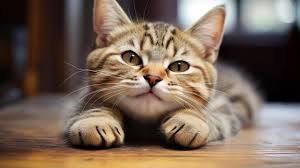
Artificial Intelligence (AI) has transformed the way we create and interact with digital content. Among the most fascinating innovations is the creation of goofy AI images. These images are designed to amuse, surprise, or entertain users by presenting exaggerated, quirky, or humorous renditions of familiar objects, people, or scenes. Unlike traditional graphic design or illustration, AI-generated goofy images rely on deep learning algorithms and neural networks to produce content that can be unexpectedly whimsical. They have become increasingly popular on social media platforms, digital marketing campaigns, and entertainment projects, largely due to their ability to capture attention and evoke strong emotional reactions from viewers.
What Are Goofy AI Images?
At their core, goofy AI images are digital creations produced by machine learning models trained on large datasets of images. These models, including Generative Adversarial Networks (GANs) and diffusion-based algorithms, can understand visual patterns and reproduce them in new, often humorous ways. For instance, an AI might take an ordinary photograph of a cat and exaggerate its facial features to create a comically expressive or silly rendition. The defining characteristic of these images is their playful or absurd twist, which differentiates them from more realistic AI-generated visuals.
Goofy AI images often rely on creative prompts entered by users. These prompts guide the AI in producing specific visual outcomes, such as “a dancing giraffe wearing sunglasses” or “a potato as a superhero.” The AI interprets the instructions, blending learned artistic styles with imaginative distortions, resulting in visuals that are both unique and often hilarious. This level of interactivity allows anyone, regardless of artistic skill, to generate content that is visually engaging and emotionally entertaining.
How Goofy AI Images Are Created
The creation of goofy AI images involves several key steps. First, a user provides a text prompt or an initial image as input. Next, the AI processes this input through its neural network, analyzing patterns, shapes, textures, and styles from its trained dataset. During this process, the AI applies learned transformations to produce a new image that aligns with the input prompt. Depending on the platform or software used, users can adjust settings such as style, color palette, and exaggeration level to influence the final result.
Recent advancements in AI image generation, such as OpenAI’s DALL·E, MidJourney, and Stable Diffusion, have made it possible to create goofy images with astonishing detail and creativity. These platforms provide tools for refining outputs, allowing users to select the most humorous or visually appealing versions. Additionally, some AI systems incorporate feedback loops, improving their results over time based on user preferences and interactions. This iterative process enhances the AI’s ability to produce consistently amusing and inventive visuals.
Popular Applications of Goofy AI Images
Goofy AI images have found a wide range of applications across entertainment, social media, marketing, and even education. On platforms like Instagram, TikTok, and Twitter, creators use these images to produce viral content that engages audiences through humor and creativity. In marketing, brands leverage goofy AI visuals to create memorable advertisements or promotional material that stands out in crowded digital spaces. A playful AI-generated image can enhance brand recognition and encourage user interaction, especially when combined with humorous captions or challenges.
In education and learning, goofy AI images can also serve as an unconventional tool to spark creativity among students. Teachers may use AI-generated humor to illustrate complex concepts, making lessons more engaging and memorable. For example, a whimsical image of historical figures in modern attire can encourage discussions about history in a more relaxed and approachable way. Moreover, artists and designers often use goofy AI images as a source of inspiration, experimenting with exaggerated forms and unusual color schemes that push the boundaries of traditional creative expression.
Ethical Considerations and Challenges
While goofy AI images offer entertainment and creative opportunities, they also raise important ethical considerations. One primary concern is copyright and intellectual property. Since AI models are trained on vast datasets that may include copyrighted works, there is potential for legal disputes if generated content closely resembles an existing creation. Users must be cautious when using AI-generated images for commercial purposes to avoid infringement issues.
Another consideration is the potential for misuse. Goofy AI images, while mostly harmless, can be modified or interpreted in ways that spread misinformation or offensive content. Developers and users alike have a responsibility to ensure that AI-generated visuals are shared in ways that respect societal norms and ethical guidelines. Additionally, transparency about the use of AI in content creation is important, as audiences may misinterpret AI-generated humor as real-world scenarios if context is not provided.
The Future of Goofy AI Images
The future of goofy AI images looks vibrant and promising. As AI models continue to improve in realism, style versatility, and contextual understanding, the potential for creating even more sophisticated and amusing visuals will expand. Integration with augmented reality (AR) and virtual reality (VR) technologies could allow users to interact with these whimsical images in immersive environments. Imagine entering a virtual room filled with AI-generated goofy characters, each responding to your actions in real-time—this could redefine digital entertainment and storytelling.
Furthermore, AI-generated goofy images could influence pop culture in unexpected ways. Memes, GIFs, and digital art trends may increasingly rely on AI as a primary source of content creation, democratizing creativity and making humor more accessible to everyone. As public interest in AI-driven tools grows, we are likely to see new platforms and communities dedicated exclusively to sharing and celebrating goofy AI creations.
Tips for Creating Engaging Goofy AI Images
To create standout goofy AI images, it’s important to experiment with prompts and styles. Start with playful and imaginative text prompts, combining unrelated elements or exaggerating familiar concepts. For example, a prompt like “a cat running a coffee shop on the moon” encourages the AI to produce visually interesting and humorous results. Users should also explore different AI platforms to find one that aligns with their creative vision, as each system has unique capabilities and limitations.
Post-processing can further enhance the appeal of goofy AI images. Tools like Photoshop or free online editors allow minor adjustments to colors, contrasts, and details, making the final image more polished while retaining its whimsical character. Sharing images with engaging captions or short narratives can also boost their entertainment value, helping audiences connect with the content on a personal and emotional level.
Conclusion: Embracing the Joy of Goofy AI Images
Goofy AI images represent a unique intersection of technology, art, and humor. They empower users to create content that is visually striking, emotionally engaging, and, most importantly, fun. From social media entertainment to marketing innovation and educational inspiration, the potential applications of these whimsical visuals are vast. While ethical considerations and creative responsibility remain important, the joy and creativity that goofy AI images bring cannot be overstated. As AI technology continues to evolve, the line between imagination and digital reality will blur, offering endless opportunities for playful exploration and artistic expression.