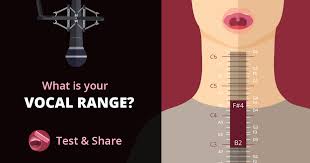
Singing is one of the most expressive forms of music, and every singer has a unique voice. Some people naturally sing deep low notes, while others can reach powerful high tones. Understanding the limits and strengths of a voice is important for singers, musicians, vocal coaches, and performers. This is why many people search for a vocal range test.
A vocal range test helps identify the lowest and highest notes a person can comfortably sing. It allows singers to understand their voice type, improve vocal training, and choose songs that match their abilities. Whether someone is a beginner or an experienced performer, knowing vocal range can help improve technique and confidence.
With the rise of online music learning and digital voice training tools, vocal range testing has become more accessible than ever.
What Is a Vocal Range Test?
A vocal range test is a method used to measure the span between the lowest and highest musical notes a person can sing. The test helps determine how flexible and wide a singer’s voice is.
The human voice is often categorized into ranges such as:
- Soprano
- Alto
- Tenor
- Baritone
- Bass
Each voice type has different strengths and tonal qualities.
A vocal range test does not only measure extreme notes. It also helps identify the most comfortable and strongest singing area, often called the “tessitura.”
Understanding vocal range helps singers avoid strain and develop healthier vocal habits.
Why Vocal Range Matters
Many singers search for a vocal range test because vocal range affects song selection, performance quality, and vocal training.
Singing songs outside a comfortable range may cause voice strain, poor sound quality, or vocal fatigue.
Knowing vocal range allows singers to choose music that matches their natural strengths.
Choirs, music schools, and vocal coaches also use vocal range tests to assign proper singing parts.
For professional performers, vocal range can influence musical style, performance opportunities, and recording choices.
How a Vocal Range Test Works
A standard vocal range test usually begins with simple warm-up exercises. Singers gradually move from comfortable notes toward lower and higher pitches.
The process often involves:
- Singing scales
- Matching piano notes
- Using vocal apps or tuners
- Recording voice performance
The goal is to find the lowest and highest notes that can be sung clearly without excessive strain.
Modern technology has also introduced online vocal range testing tools and mobile applications that help users analyze their voices digitally.
Types of Vocal Ranges
Understanding voice categories is an important part of any vocal range test.
Soprano
The highest common female vocal range. Sopranos often sing bright and powerful high notes.
Alto
A lower female voice range with warmer and deeper tones.
Tenor
A higher male vocal range often associated with pop and classical lead singers.
Baritone
A medium male vocal range known for balanced depth and strength.
Bass
The lowest male vocal range with deep, rich vocal tones.
Some singers may also develop extended ranges through training and technique.
Benefits of Taking a Vocal Range Test
There are many benefits to completing a vocal range test.
Better Song Selection
Singers can choose songs that suit their voices naturally.
Improved Vocal Training
Understanding range helps coaches create personalized vocal exercises.
Reduced Vocal Strain
Singing within a healthy range protects the voice from damage.
Increased Confidence
Knowing vocal strengths can improve stage performance and self-confidence.
Musical Growth
Range awareness helps singers explore different musical styles and techniques.
These advantages make vocal range testing valuable for both beginners and professionals.
Online Vocal Range Test Tools
Technology has made vocal range test tools widely available online. Many websites and mobile apps allow users to test their vocal range using microphones and digital pitch detection systems.
Some apps also provide vocal exercises, pitch training, and singing feedback.
Online tools are especially popular among beginner singers because they offer convenient ways to explore voice abilities at home.
However, professional vocal coaches may still provide more accurate evaluations and personalized guidance.
Common Mistakes During Vocal Range Tests
People taking a vocal range test sometimes make mistakes that affect results.
One common mistake is forcing extremely high or low notes. This can create vocal strain and inaccurate measurements.
Skipping warm-ups is another issue. Cold vocal cords may limit flexibility and performance.
Poor breathing technique can also reduce vocal control.
Many beginners confuse loudness with range, but healthy singing depends more on comfort and clarity than volume.
Taking tests slowly and carefully produces better results.
How to Improve Vocal Range
After completing a vocal range test, many singers want to expand their abilities. Vocal range improvement requires consistent training and healthy technique.
Warm-up exercises help prepare the voice for singing.
Breathing exercises improve vocal support and stability.
Regular vocal practice gradually strengthens flexibility and control.
Hydration and proper vocal rest are also important for maintaining healthy vocal cords.
Professional coaching may help singers improve range safely without damaging their voices.
Technology and AI in Vocal Training
Artificial intelligence is becoming increasingly important in vocal education and vocal range test technology.
Modern apps now use AI systems to analyze pitch, tone accuracy, and vocal consistency. Some platforms even provide personalized training recommendations.
AI-powered vocal tools may continue improving online music education and singing analysis in the future.
Virtual coaching, real-time feedback, and advanced voice analysis are expected to become more common as technology evolves.
Future of Vocal Range Testing
The future of the vocal range test industry looks highly digital. Music learning platforms, AI-based singing assistants, and mobile vocal analysis tools are becoming more advanced each year.
Future systems may offer instant voice classification, personalized training plans, and real-time singing correction through smart devices.
As online music education continues growing worldwide, vocal range testing will likely become even more accessible for aspiring singers everywhere.
Conclusion
In conclusion, a vocal range test is an important tool for singers who want to understand and improve their voices. It helps identify comfortable singing notes, reduce vocal strain, and support better vocal training.
Whether someone is a beginner exploring music for the first time or an experienced performer developing advanced techniques, knowing vocal range can improve confidence, performance, and vocal health.
As technology continues advancing, vocal range testing and digital voice training are expected to become even more useful for singers around the world.